What Small Businesses Need to Know About Working with Television Advertising Companies

Television advertising has traditionally been the domain of major national brands with massive marketing budgets. The costs, complexity, and production requirements created barriers that kept most small and medium-sized businesses on the sidelines. But the landscape has shifted dramatically in recent years, making TV advertising more accessible than ever before for businesses that previously considered it completely out of reach.
Connected TV, streaming platforms, and programmatic buying have transformed how television advertising works. These changes mean small businesses can now access audiences through television screens without the prohibitive costs and lengthy commitments that characterized traditional broadcast advertising. Understanding how modern TV advertising works and what to expect when working with television advertising companies helps you determine whether this channel makes sense for your marketing strategy.
The question isn’t whether TV advertising can work for smaller businesses anymore. Plenty of success stories prove it can. Instead, the real questions are whether it’s the right fit for your specific situation, how to approach it strategically, and what to look for when evaluating television advertising agency partners. Let’s break down what you actually need to know.
How Television Advertising Has Evolved
Traditional broadcast television advertising required buying spots during specific programs on particular networks, often with significant minimum commitments. You might need to commit to running ads for weeks or months, spending tens of thousands of dollars for even modest local campaigns. Production costs added thousands more, and you had limited ability to target specific audiences beyond basic demographic information about who watched certain programs.
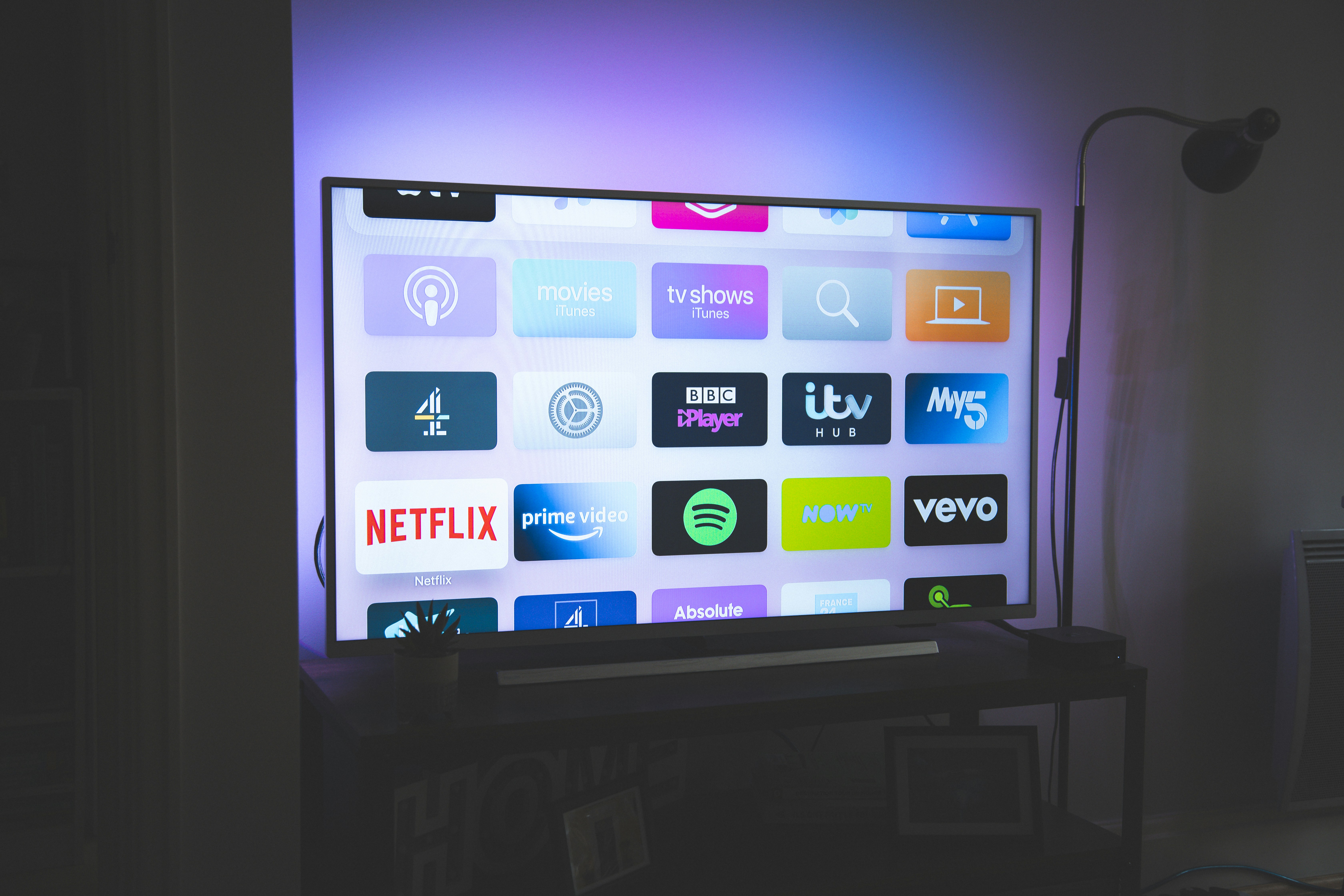
The rise of streaming services and connected TV has fundamentally changed these dynamics. Platforms like Hulu, Roku, YouTube TV, and countless others deliver television content through internet connections rather than traditional broadcast signals. This delivery method enables targeting and measurement capabilities that look more like digital advertising than old-school TV buying.
Programmatic TV advertising allows you to buy ad placements through automated systems rather than negotiating directly with individual networks. This approach reduces minimum spending requirements, provides more granular targeting options, and offers better measurement of campaign performance. Many television advertising companies now focus exclusively on these modern approaches rather than traditional broadcast buying.
Over-the-top (OTT) advertising refers to ads delivered through streaming services on any device, including smart TVs, tablets, phones, and computers. Connected TV (CTV) specifically refers to internet-connected television screens. These terms get used interchangeably, but they represent the modern TV advertising landscape where targeting, measurement, and accessibility have improved dramatically compared to traditional methods.
Understanding Modern TV Advertising Costs
One of the biggest misconceptions about working with television advertising companies involves cost expectations. While TV advertising remains more expensive than many digital channels, the gap has narrowed significantly, especially when comparing cost per thousand impressions (CPM) rather than absolute dollar amounts.
Modern streaming TV advertising typically costs between $20 and $50 CPM, meaning you pay that amount for every thousand times your ad is shown. Compare this to social media advertising that might run $10 to $30 CPM, and the premium seems more reasonable, especially considering the engaged viewing environment and premium content context that TV provides.
Minimum spending requirements vary widely across different television advertising agency partners and platforms. Some programmatic platforms allow you to start with budgets as low as $1,000 to $2,000 monthly, while others require $5,000 to $10,000 minimum commitments. Traditional broadcast buying often demands much higher minimums, particularly in larger markets where inventory is limited and demand is high.
Production costs represent another significant consideration. Professional TV commercial production can range from a few thousand dollars for simple spots to hundreds of thousands for elaborate productions. However, many streaming platforms accept simpler creative formats, and some television advertising companies offer production services as part of their packages. Understanding what creative requirements actually exist versus what’s optimal helps you budget appropriately.
Hidden costs can surprise businesses new to TV advertising. These might include costs for trafficking ads to different platforms, reporting and analytics fees, or charges for targeting specific audiences. When evaluating television advertising agency proposals, asking specifically about all costs beyond media spending prevents budget surprises down the line.
What Television Advertising Companies Actually Do
The scope of services provided by television advertising companies varies considerably, from full-service agencies handling everything from strategy to production to narrow specialists focused on media buying or specific platforms. Understanding what different types of agencies offer helps you identify the right partner for your needs.
Full-service television advertising agencies handle strategy development, creative concepting, production, media buying, campaign management, and performance reporting. These agencies provide the most comprehensive support but typically require higher budgets and longer commitments. They’re best suited for businesses treating TV advertising as a major component of their marketing strategy rather than a test or small supplement.
Media buying specialists focus specifically on purchasing ad inventory and optimizing placement, assuming you already have creative assets ready to deploy. These agencies often provide more competitive rates on media spending because that’s their core expertise, but you’ll need to handle creative development separately or bring finished commercials to them.
Production-focused agencies excel at creating compelling TV commercials but may have limited media buying capabilities. Some businesses work with these agencies to develop creative assets, then partner with media buying specialists or programmatic platforms for actual ad placement. This approach can make sense when you want high production quality but also cost-effective media buying.
Platform-specific agencies specialize in particular streaming services or connected TV platforms. They develop deep expertise in those specific environments but may not provide the cross-platform perspective that helps you understand where your budget is most effectively deployed. These specialists work well when you’ve already determined which platforms to prioritize.
Integrated advertising platforms like iPromote offer TV advertising capabilities alongside other digital channels, providing the advantage of coordinated cross-channel strategies and unified reporting. This approach helps you understand how TV advertising works in concert with your other marketing efforts rather than evaluating it in isolation.
Targeting Capabilities and Audience Reach
Modern television advertising provides targeting sophistication that traditional broadcast never could, though it still doesn’t match the granularity of platforms like Facebook or Google. Understanding what’s possible versus what’s optimal helps set appropriate expectations when working with television advertising companies.
Demographic targeting remains the foundation of TV advertising, allowing you to focus on specific age ranges, genders, household incomes, and family compositions. These broad demographic filters ensure your ads reach generally appropriate audiences without the waste of completely untargeted mass media.
Geographic targeting has become remarkably precise, from national campaigns down to specific ZIP codes or designated market areas (DMAs). This capability makes local TV advertising viable for businesses serving specific regions, cities, or neighborhoods. You can concentrate spending where your customers actually live rather than paying for reach in areas you don’t serve.
Behavioral targeting uses viewing habits, content preferences, and other signals to identify audiences likely to be interested in your products or services. Someone who regularly watches home improvement shows might be targeted by hardware stores or contractor services. While less precise than digital behavioral targeting, it provides meaningful audience refinement beyond basic demographics.
Retargeting capabilities allow you to show TV ads to people who have previously visited your website or engaged with your brand digitally. This cross-device targeting creates powerful synergies between your digital marketing and TV advertising, keeping your brand visible across multiple touchpoints throughout customer journeys.
Contextual targeting places your ads within specific types of content relevant to your business. A fitness brand might advertise during health and wellness programming, while a financial services company might appear in business news content. This approach ensures your ads appear in contextually appropriate environments that align with your brand positioning.
Measuring Television Advertising Performance
Traditional TV advertising measurement relied primarily on Nielsen ratings and brand awareness studies, providing limited insight into actual business impact. Modern approaches offer significantly better visibility into how TV campaigns perform, though measurement still isn’t as precise as digital channels with direct conversion tracking.
Attribution modeling attempts to connect TV ad exposure to website visits, app downloads, or other measurable actions. While not perfect, these models have improved considerably. Many television advertising companies now provide attribution reporting that shows incremental lift in business metrics during and after campaign flights.
Pixel-based tracking allows you to see when people who were exposed to your TV ads subsequently visit your website. This data helps demonstrate whether TV advertising is driving awareness and interest that translates into digital engagement. The insights can be particularly valuable for understanding the interaction between TV and other marketing channels.
Lift studies measure the difference in behavior between people exposed to your TV ads and similar control groups who weren’t exposed. These studies provide clearer evidence of TV advertising impact, though they typically require larger budgets and longer timeframes to generate statistically significant results.
Brand awareness and recall metrics remain important for TV advertising evaluation, particularly for businesses focused on building recognition rather than immediate response. Surveys and awareness studies help quantify whether your TV investment is actually improving brand visibility and consideration within your target market.
Direct response mechanisms like unique promo codes, dedicated landing pages, or specific phone numbers can track immediate responses to TV advertising. While not everyone who sees your ad will use these mechanisms, they provide concrete evidence of campaign impact and help establish baseline response rates.
Creative Considerations for TV Advertising
Television commercials require different creative approaches than digital ads or social media content. Understanding what makes TV advertising effective helps you develop creative that actually works rather than just looking nice.
Production quality matters more on television than in many digital environments. Viewers expect a certain level of polish when watching content on their TV screens, and obviously amateur-quality commercials can actually harm your brand rather than help it. This doesn’t mean you need Hollywood-level production, but the minimum quality threshold is higher than social media content.
Message clarity becomes crucial within the time constraints of TV spots. Most small business TV advertising runs in 15 or 30-second formats, requiring you to communicate your core message quickly and memorably. Trying to say too much in limited time leads to confused, ineffective advertising. Focusing on one clear message works better than cramming multiple selling points into short spots.
Brand identification needs to happen early and often in TV commercials. Unlike digital ads where people can click through to learn more, TV viewers need to know immediately who you are and what you offer. Waiting until the end of your spot to identify your brand means most viewers won’t remember who the ad was for.
Call to action specificity helps viewers understand what you want them to do after seeing your commercial. Whether that’s visiting a website, calling a number, or visiting a store, making the next step clear and memorable improves campaign effectiveness. Simple, memorable URLs or phone numbers work better than complex instructions.
Frequency and consistency matter tremendously in TV advertising. Single exposures rarely generate significant impact. Planning campaigns with sufficient frequency for your message to sink in requires coordination with your television advertising agency to ensure your budget can support meaningful repetition.
Deciding If TV Advertising Makes Sense
Not every business should invest in television advertising, even with modern accessibility and targeting improvements. Certain factors indicate whether TV makes strategic sense for your specific situation.
Budget availability remains a key consideration. While more accessible than before, TV advertising still requires meaningful investment to generate results. If your total marketing budget is under $2,000 monthly, focusing on more cost-effective channels probably makes more sense than trying to include TV advertising in the mix.
Brand maturity affects TV advertising effectiveness. Established brands with clear positioning and existing customer bases often see better results than completely new businesses that customers have never heard of. Building some brand recognition through more targeted digital channels before expanding into TV can set you up for better success.
Geographic considerations influence whether TV makes sense. Businesses serving specific local markets can often find cost-effective local streaming TV opportunities, while those serving broad national markets might struggle with the budget required for meaningful national reach.
Product or service complexity affects TV advertising suitability. Simple, visually demonstrable products or services often work better in short-form TV spots than complex offerings requiring detailed explanation. If your value proposition takes five minutes to explain, 30-second TV spots probably aren’t optimal.
Customer lifetime value justifies advertising costs. TV advertising makes more sense for businesses with high customer lifetime values where acquiring customers at higher costs remains profitable. Service businesses with recurring revenue or high-ticket items can often justify TV advertising costs that wouldn’t work for low-margin or one-time purchase businesses.
Working Effectively with Television Advertising Agency Partners
Success with TV advertising depends largely on choosing the right agency partners and managing those relationships effectively. Several factors distinguish good partnerships from disappointing ones.
Strategic alignment ensures your agency understands your business goals and recommends TV advertising as part of achieving those goals rather than just selling their services. Good agencies ask detailed questions about your business, customers, and objectives before proposing specific approaches. They should be able to articulate clearly how TV advertising fits into your broader marketing strategy.
Transparency about costs, processes, and performance separates reputable television advertising companies from those more interested in commissions than results. Your agency should provide detailed breakdowns of where your money goes, how they make recommendations, and what results you should expect. Avoid agencies that are vague about costs or reluctant to share performance data.
Performance expectations should be clearly defined before campaigns launch. What metrics matter most? What results would constitute success? How long should you expect to run campaigns before seeing meaningful data? Establishing these parameters upfront prevents misunderstandings and disappointment later.
Communication frequency and quality significantly impact partnership success. Your agency should provide regular updates on campaign performance, insights about what’s working or not, and recommendations for optimization. If you have to constantly chase them for information, the relationship probably isn’t working.
Contract flexibility matters, especially when testing TV advertising for the first time. Long-term contracts with minimal flexibility create risk when you’re unsure how well TV will perform for your business. Look for agencies willing to start with shorter commitments that allow you to prove results before making larger, longer investments.
Integration with Broader Marketing Strategy
Television advertising works best when it’s part of a coordinated marketing approach rather than a standalone effort. The most successful campaigns integrate TV with other channels to create reinforcing customer touchpoints.
Cross-channel messaging consistency ensures customers receive coherent brand messages whether they encounter you on TV, social media, search engines, or elsewhere. This consistency builds trust and recognition more effectively than disjointed messaging across different channels.
Sequential targeting strategies use TV advertising to build awareness, then retarget engaged audiences through digital channels to drive conversion. This approach leverages TV’s broad reach for awareness building while using digital’s precision for conversion optimization.
Budget allocation across channels should reflect how different media work together rather than treating each in isolation. Some businesses find that TV advertising improves the performance of their other channels by building awareness that makes digital advertising more effective. Understanding these interactions helps optimize your overall marketing investment.
Comprehensive platforms like iPromote that manage both TV advertising and digital channels provide integrated views of cross-channel performance. This unified perspective helps you understand true campaign impact rather than evaluating individual channels without context for how they work together.
Making Your Television Advertising Decision
Determining whether to work with television advertising companies and invest in TV advertising requires honest assessment of your business situation, goals, and resources. The channel offers genuine opportunities for businesses that approach it strategically with realistic expectations and adequate budgets.
Modern TV advertising is more accessible than ever before, but it’s not right for everyone. The businesses that succeed with TV typically have clear brand positioning, sufficient budgets to achieve meaningful frequency, products or services that translate well to visual storytelling, and the patience to measure results over appropriate timeframes rather than expecting overnight transformation.
Choosing the right television advertising agency partner significantly impacts your success. Look for agencies that demonstrate genuine understanding of your business, provide transparent pricing and realistic performance expectations, and treat TV advertising as part of your overall marketing strategy rather than an isolated tactic.
For businesses exploring TV advertising for the first time, starting with modest commitments through agencies or platforms offering flexibility makes sense. Test, measure, learn, and scale what works rather than committing large budgets before you understand how TV performs for your specific situation. This measured approach reduces risk while giving you the opportunity to discover whether TV advertising deserves a permanent place in your marketing mix.
Author

Related post

Why Media Companies Are Transforming Their Business with Programmatic Advertising Solutions

CTV Marketing and OTT Marketing for Small Businesses