Social Media Display Ads Explained for Small Business Owners
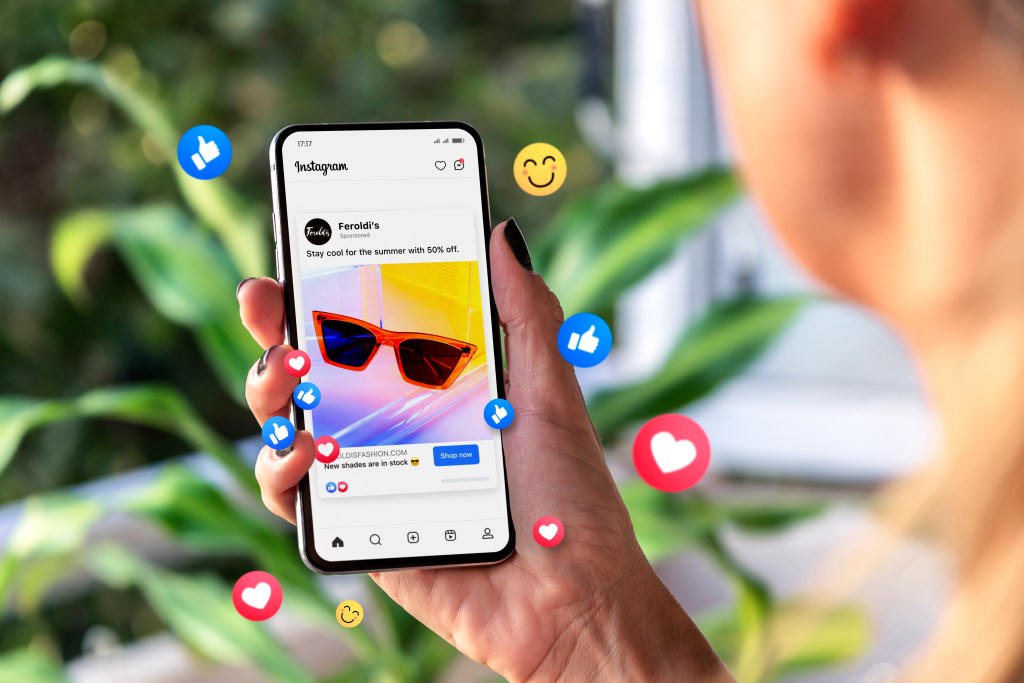
Scrolling through Instagram, Facebook, or TikTok feels effortless until an ad slides in between two posts and actually catches attention. That’s social media display ads doing exactly what they’re designed to do. For small business owners trying to figure out where to spend limited marketing dollars, understanding how these ads work can make the difference between wasted budget and real growth.
This guide breaks down what social media display ads are, how they differ from other advertising formats, and why they’ve become such a valuable tool for small businesses trying to compete with bigger brands.
What Are Social Media Display Ads
Social media display ads are visual advertisements that appear directly within social platforms like Facebook, Instagram, LinkedIn, and TikTok. Unlike a plain text post, these ads use images, graphics, or short videos to grab attention while someone scrolls through their feed.
These ads typically blend into the natural flow of a person’s feed, appearing between friends’ photos, brand updates, or entertaining videos. A small bakery might show off a beautifully frosted cake, while a local gym might use a short video of a workout class in action. The visual format gives small businesses room to showcase personality in ways that plain text simply can’t match.
Platforms label these placements as sponsored content, but the label rarely stops people from engaging. A well-designed ad often gets the same likes, comments, and shares as organic content, which means the line between advertising and everyday browsing keeps getting blurrier.
How Social Media Display Ads Differ From Search Ads
Search ads wait for someone to type a specific request into Google, then respond to that exact need. Social media display ads work the opposite way. They interrupt casual browsing and introduce a product or service to someone who wasn’t necessarily looking for it.
This distinction matters because it changes what success looks like. Search ads often produce fast conversions since the person searching already has clear intent. Social media display ads build awareness first, and conversions sometimes come later, after someone has seen a brand a few times and started to trust it.
Neither approach is better across the board. A brand-new coffee shop might struggle with search ads since almost nobody searches for a business they’ve never heard of. Social media display ads solve that problem by putting the shop in front of local people who might become regulars, even before they know to search for it.
Why Small Businesses Benefit From Social Media Display Ads
Small businesses often can’t compete with national brands on advertising budget alone, but social platforms level the playing field in a few important ways.
Targeting options let small businesses reach very specific audiences without wasting money on people who will never become customers. A pet grooming business can target dog owners within a five mile radius, while a boutique clothing store can target people who follow similar fashion brands. This precision keeps spending focused where it actually counts.
Visual storytelling gives small businesses a chance to show personality that a big corporate brand often can’t replicate. A family-owned restaurant can share footage of the kitchen team preparing a signature dish, and that authenticity resonates with local customers looking for something more personal than a chain restaurant.
Cost flexibility also works in favor of small businesses. Most platforms allow daily budgets as low as a few dollars, which means a shop doesn’t need a massive marketing budget to start testing what works. That flexibility allows a business to experiment, learn from early results, and scale up once a campaign proves itself.
Types of Social Media Display Ads Worth Testing
Not every social media display ad looks the same, and different formats serve different goals.
Image ads remain the simplest option and work well for showcasing a product, a location, or a special offer. A single strong photo paired with a clear message can stop someone mid-scroll and drive them to learn more.
Video ads tend to perform well because movement naturally draws the eye. A fifteen second clip showing a product in action often communicates more than any static image could, and platforms increasingly favor video content in their algorithms.
Carousel ads let a business show multiple images or products within a single ad unit. A furniture store might use this format to showcase an entire living room set, letting potential customers swipe through different angles and pieces.
Story ads appear in the short-lived, full-screen format popular on Instagram and Facebook. These ads feel less like traditional advertising and more like casual content, which often makes them feel more approachable to viewers.
Retargeting ads bring back people who already visited a website or engaged with previous content. Someone who added an item to a cart but never checked out might see a gentle reminder days later, nudging them back toward completing that purchase.
Building an Effective Social Media Display Ad Strategy
Success with social media display ads rarely happens by accident. A thoughtful strategy makes a real difference in results.
Clear goals should come first. A business launching a new product might prioritize awareness, while an established shop running a seasonal sale might prioritize direct conversions. Each goal calls for different messaging, different visuals, and different calls to action.
Strong visuals matter more on social platforms than almost anywhere else. Blurry photos or poorly designed graphics get scrolled past instantly, while crisp, well-lit images stop the scroll and hold attention. Investing in decent photography or video, even something shot on a modern smartphone, pays off quickly.
Concise messaging keeps ads effective. Nobody reads long paragraphs while scrolling through a feed, so the message needs to land within a few seconds. A short headline paired with a clear offer usually outperforms anything lengthy or complicated.
Testing different creative versions helps identify what resonates with an audience. Two versions of an ad, one with a lifestyle photo and another with a product close-up, might perform very differently. Running both and comparing results removes the guesswork.
Consistent branding across every ad builds recognition over time. Using the same colors, fonts, and tone helps people recognize a business even before they read the ad copy, which builds familiarity and trust with repeated exposure.
Common Mistakes With Social Media Display Ads
Even well-intentioned campaigns run into avoidable problems.
Many businesses launch a campaign without a clear call to action. An ad that looks great but never tells someone what to do next often gets admired and then ignored. Every ad needs a next step, whether that’s visiting a website, calling a business, or claiming an offer.
Overly promotional messaging can also backfire on social platforms. People expect a certain tone while scrolling through friends’ updates and casual content, and an ad that feels too much like a hard sales pitch tends to get skipped. Ads that feel more like helpful, relevant content usually perform better.
Ignoring mobile formatting causes trouble too. Most people browse social media on their phones, so an ad designed only with desktop viewing in mind often looks cramped or awkward on a smaller screen. Checking how an ad appears on mobile before launching saves headaches later.
Some businesses also set a campaign live and never revisit it. Audiences shift, creative gets stale, and what worked last month might underperform this month. Regular check-ins and small adjustments keep a campaign fresh and effective over time.
Measuring What Matters
Tracking the right metrics helps a business understand whether social media display ads are actually working.
Click through rate shows how many people who saw an ad actually clicked on it, which reflects how compelling the creative and messaging are. Conversion rate goes a step further, measuring how many of those clicks turned into an actual sale, sign up, or inquiry.
Cost per result puts a dollar figure on performance, showing exactly how much a business spends to generate each sale or lead. Reviewing this number regularly helps identify when a campaign needs adjustment before too much budget gets wasted.
Frequency matters too, since showing the same ad too many times to the same person can lead to fatigue and lower results. Rotating creative periodically keeps content feeling fresh rather than repetitive.
How iPromote Helps Partners Manage Social Media Display Ads
Running successful social media display ad campaigns takes more than a great photo and a catchy headline. It takes the right platform, clear reporting, and the ability to adjust quickly based on real performance data.
iPromote gives agencies and resellers the tools to manage social media display ads for small business clients alongside other advertising channels, all from one place. Partners can build campaigns, monitor performance, and show clients exactly how their investment translates into real results.
For agencies looking to expand their advertising services and help small business clients compete effectively on social platforms, iPromote offers the infrastructure to make that growth possible. Visit ipromote.com to learn more about reselling advertising services and helping clients reach the right customers at the right time.
Final Thoughts
Social media display ads give small businesses a genuine opportunity to compete with much larger brands. Precise targeting, flexible budgets, and visually engaging formats mean a well-crafted campaign can reach the right audience without requiring a massive spend.
Success comes down to strong visuals, clear messaging, and a willingness to test and adjust along the way. Businesses that treat these campaigns as an ongoing conversation rather than a one time launch tend to see stronger, more consistent results.
For agencies helping small business clients navigate this space, the opportunity is significant. Social platforms aren’t going anywhere, and businesses that master social media display ads now will have a real advantage as competition for attention keeps growing.
Author

Related post

Why Social Media Display Ads Are Essential for Small Business Growth

Automated Social Media Display Advertising Platform Guide for Partners