Navigating Connected TV Providers and Finding the Right Advertising Partner
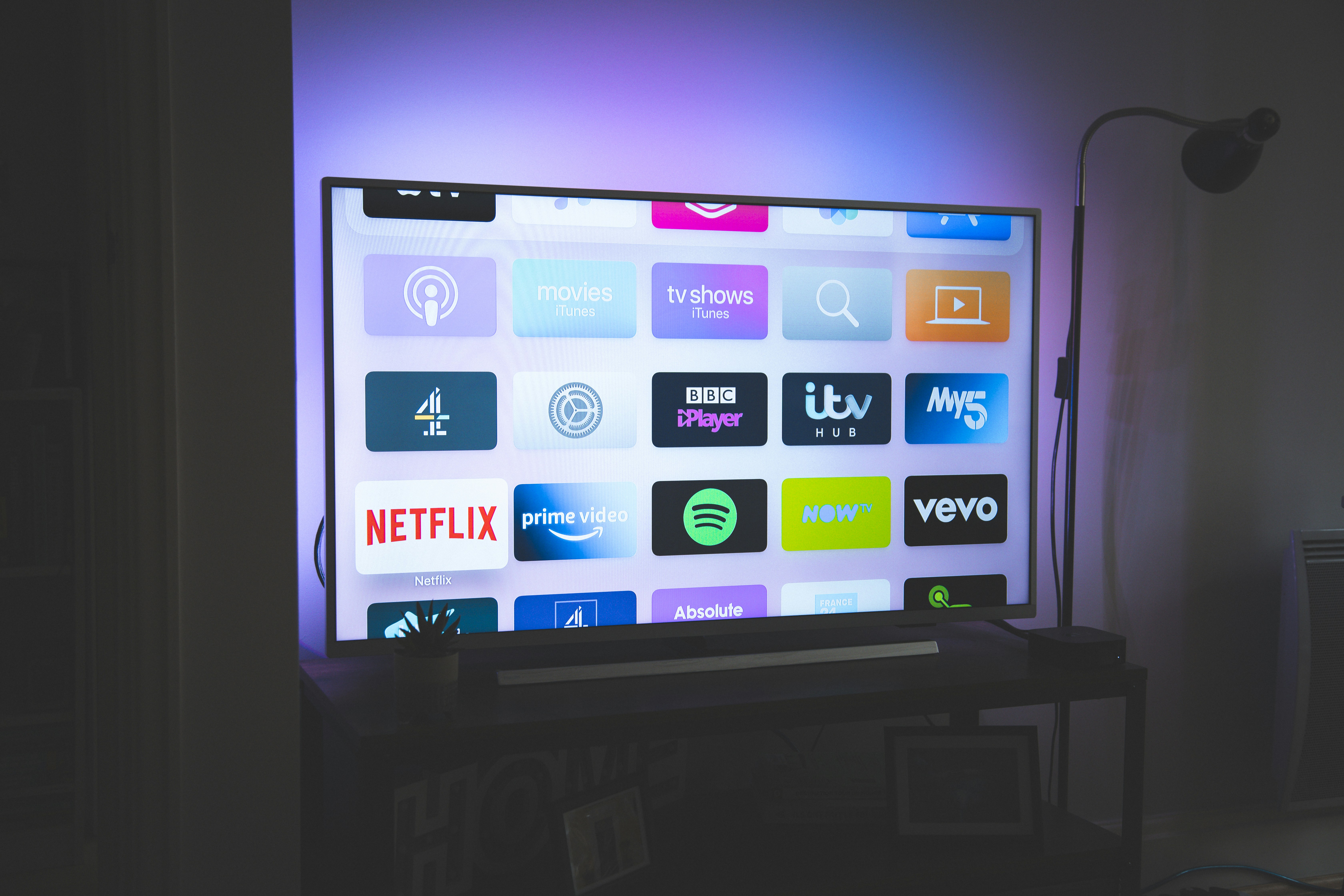
The shift from traditional cable television to streaming has created entirely new opportunities for businesses to reach audiences through their TV screens. Connected TV has become one of the fastest-growing advertising channels, with consumers spending more time streaming content than ever before. For small and medium-sized businesses, this represents both an exciting opportunity and a complex challenge to navigate.
Understanding the landscape of connected TV providers and how to access their advertising inventory requires cutting through considerable industry jargon and complexity. The ecosystem includes streaming platforms, device manufacturers, programmatic buying networks, and specialized agencies all competing for your advertising dollars. Making sense of these options and finding the right path forward can feel overwhelming, especially for businesses new to TV advertising.
The good news is that you don’t need to become an expert in every aspect of connected TV advertising to use it effectively. What you do need is a clear understanding of how the ecosystem works, what different connected TV advertising companies offer, and how to evaluate whether this channel makes strategic sense for your business. Let’s break down what you actually need to know to make informed decisions.
Understanding the Connected TV Ecosystem
Connected TV refers to any television that connects to the internet and allows viewers to stream content beyond traditional broadcast programming. This includes smart TVs with built-in streaming capabilities, devices like Roku and Apple TV that add streaming functionality to regular televisions, and gaming consoles that also serve as streaming platforms. The common thread is internet connectivity that enables both content delivery and advanced advertising capabilities.
The distinction between connected TV and over-the-top (OTT) advertising matters less to advertisers than understanding that both represent the same fundamental shift in how television advertising works. These terms often get used interchangeably, and for practical purposes, they describe advertising delivered through streaming rather than traditional broadcast or cable.
What makes connected TV advertising fundamentally different from traditional TV is the data and targeting capabilities it enables. Because content delivery happens through internet connections, connected TV providers can track viewing behavior, enable precise audience targeting, and measure advertising performance in ways that traditional television never could. This combination of the premium viewing environment of television with digital advertising capabilities creates unique opportunities.
The fragmentation of the streaming landscape means viewers aren’t concentrated on a few major networks anymore. They’re spread across dozens of streaming services, each with different content, audiences, and advertising options. This fragmentation creates both challenges and opportunities for advertisers trying to reach specific audiences efficiently.
Major Connected TV Providers and Platforms
The connected TV landscape includes several types of providers, each offering different approaches to advertising inventory and audience access. Understanding these different categories helps you evaluate where your advertising dollars are most likely to generate results.
Streaming service providers like Hulu, Peacock, Paramount Plus, and Max (formerly HBO Max) offer ad-supported tiers that allow viewers to watch content with commercial breaks at lower subscription prices. These platforms provide direct access to engaged audiences watching premium content, with targeting capabilities based on viewing behavior, demographics, and interests. Advertising on these platforms typically happens through their direct sales teams or through programmatic partnerships.
Device-based platforms including Roku, Amazon Fire TV, and Samsung TV Plus aggregate audiences across multiple streaming services viewed through their devices or smart TV operating systems. These platforms offer advertising that appears within their interfaces, across multiple content sources, or through their own free streaming channels. The advantage is accessing audiences regardless of which specific streaming service they’re watching at any given moment.
Free ad-supported streaming TV (FAST) channels represent a growing category where services like Pluto TV, Tubi, and Xumo offer completely free content supported entirely by advertising. These platforms often provide more accessible entry points for smaller advertisers because they rely heavily on advertising revenue and offer various pricing tiers to accommodate different budget levels.
YouTube remains the largest connected TV platform by reach, with more viewing happening on television screens than any other device type. While technically both a streaming service and video platform, YouTube’s massive scale and sophisticated advertising tools make it a category unto itself for connected TV advertising consideration.
Virtual multichannel video programming distributors (vMVPDs) like YouTube TV, Hulu + Live TV, and Sling TV offer live television streaming that mimics traditional cable experiences. These platforms provide advertising opportunities that blend traditional TV advertising approaches with streaming capabilities and measurement.
What Connected TV Advertising Companies Do
Navigating the complex landscape of connected TV providers requires expertise that most small businesses don’t have in-house. This is where connected TV advertising companies come in, offering various levels of support for planning, buying, and optimizing CTV campaigns.
Full-service connected TV advertising companies handle everything from strategy development to campaign execution to performance analysis. These companies typically have established relationships with multiple connected TV providers, allowing them to negotiate favorable rates and access premium inventory. They manage the entire process including audience targeting, creative trafficking, campaign optimization, and detailed reporting on performance.
Programmatic platform providers offer technology-based solutions that allow you to buy connected TV advertising inventory across multiple providers through a single interface. These platforms use automated bidding and optimization to find the best placements for your budget and goals. While they provide less hands-on service than full-service agencies, they offer more control and transparency about exactly where your ads run and how they perform.
Demand-side platforms (DSPs) serve as the technical infrastructure through which programmatic connected TV advertising is bought and sold. Major DSPs like The Trade Desk, Amazon Advertising, and Google Display & Video 360 provide access to connected TV inventory alongside other digital advertising formats. These platforms work well for businesses with advertising expertise or agencies managing campaigns on clients’ behalf.
Managed service providers combine programmatic technology with strategic support, offering a middle ground between pure self-service platforms and full-service agencies. These connected TV advertising companies typically provide campaign strategy guidance, help with creative development, and handle the technical execution while giving you more visibility and control than traditional agency relationships.
Integrated advertising platforms like iPromote incorporate connected TV capabilities alongside other digital advertising channels, providing unified campaign management and cross-channel reporting. This approach helps businesses understand how connected TV advertising works in concert with their other marketing efforts rather than evaluating it in isolation.
Evaluating Connected TV Providers for Your Business
Choosing which connected TV providers to advertise with depends on several factors specific to your business, audience, and advertising objectives. Not all platforms will make sense for every advertiser, and spreading budgets too thin across too many providers typically delivers worse results than concentrating on the right platforms for your needs.
Audience alignment should be your primary consideration. Different connected TV providers attract different demographic groups and viewing preferences. Roku tends to skew toward middle America with broad demographic appeal. Hulu attracts younger, more urban audiences. Peacock viewers might be particularly engaged with sports content. Understanding where your target customers actually spend their streaming time helps focus your advertising investment effectively.
Content relevance matters when considering connected TV providers because the programming environment affects how viewers receive your advertising message. A luxury brand might prioritize platforms streaming premium dramas and documentaries, while a family-focused business might concentrate on platforms with children’s programming and family movies.
Geographic availability varies across connected TV providers, with some offering excellent national reach while others excel at local or regional targeting. Understanding your service area and ensuring your chosen providers can effectively target those specific markets prevents wasted spend on audiences you can’t serve.
Minimum spending requirements differ significantly across connected TV providers and the companies that sell their advertising inventory. Some platforms allow testing with a few thousand dollars monthly, while others require tens of thousands in minimum commitments. Matching your available budget to providers with appropriate minimums ensures you can achieve meaningful reach and frequency.
Targeting capabilities range from basic demographic filters to sophisticated behavioral targeting and retargeting options. More advanced targeting typically comes with higher costs and sometimes higher minimums. Determining which targeting capabilities actually matter for your business helps you avoid paying for unnecessary sophistication while ensuring you have the tools needed for effective campaigns.
Measuring Connected TV Advertising Success
One of the biggest advantages connected TV provides over traditional television is improved measurement and attribution, though it still doesn’t match the precision of direct response digital channels. Understanding what metrics matter and what you can realistically track helps set appropriate expectations.
Reach and frequency metrics show how many unique viewers saw your ads and how often on average. These foundational metrics help ensure your campaign achieves sufficient exposure for your message to register with audiences. Most connected TV advertising companies provide detailed reach and frequency reporting as baseline campaign measurement.
Completion rates indicate what percentage of viewers watched your entire ad rather than skipping or stopping the content. High completion rates suggest your creative resonates with audiences and provides value rather than irritation. Connected TV typically sees higher completion rates than online video because many placements aren’t skippable.
Attribution modeling attempts to connect connected TV ad exposure to website visits, store visits, app downloads, or purchases. While not perfect, attribution capabilities have improved dramatically and now provide meaningful insights into how CTV advertising drives business outcomes. Most connected TV advertising companies offer some form of attribution reporting, though methodologies and accuracy vary.
Brand lift studies measure changes in awareness, consideration, or purchase intent among audiences exposed to your connected TV advertising compared to control groups. These studies provide evidence of advertising impact even when direct conversion tracking is challenging. They typically require larger budgets and longer campaign flights to generate statistically significant results.
Conversion tracking through pixels and tags allows you to see when people exposed to your connected TV ads subsequently visit your website or take specific actions. This data helps demonstrate the relationship between CTV advertising and bottom-funnel activities like purchases or lead submissions.
Return on ad spend (ROAS) calculations become possible when you can track conversions back to connected TV exposure. While attribution isn’t always perfect, understanding approximate ROAS helps you compare connected TV performance to other advertising channels and make informed budget allocation decisions.
Cost Considerations and Budget Planning
Connected TV advertising costs vary widely based on targeting specificity, platform selection, seasonality, and whether you’re buying through direct relationships or programmatic channels. Understanding typical cost structures helps you budget appropriately and evaluate proposals from connected TV advertising companies.
Cost per thousand impressions (CPM) represents the standard pricing model for connected TV advertising. Typical CPMs range from $20 to $65, with more targeted audiences and premium content commanding higher rates. These costs are generally higher than social media advertising but lower than traditional broadcast television while providing better targeting and measurement than either.
Minimum spending commitments vary by platform and buying method. Direct relationships with major connected TV providers typically require $25,000 to $50,000 monthly minimums or more. Programmatic buying often allows smaller commitments starting around $5,000 to $10,000 monthly. Managed service providers might have minimums anywhere from $2,000 to $20,000 depending on their model and the platforms they access.
Production costs for connected TV advertising creative range from a few thousand dollars for simple spots to hundreds of thousands for elaborate productions. Many connected TV providers accept relatively simple creative formats, and some connected TV advertising companies offer production services as part of their packages. Understanding creative requirements for different platforms helps you budget appropriately for the total investment.
Agency fees and platform costs vary depending on which connected TV advertising companies you work with. Full-service agencies typically charge 15% to 20% of media spend plus potential additional fees for strategy and creative services. Programmatic platforms might charge flat monthly fees, percentage-based markups on media costs, or hybrid models. Understanding the complete fee structure prevents budget surprises.
Testing budgets should be sufficient to generate meaningful data without committing too much capital before you understand performance. Most connected TV advertising companies recommend initial testing budgets of at least $10,000 to $15,000 monthly for 60 to 90 days to gather enough data for informed optimization decisions.
Creative Best Practices for Connected TV
Success with connected TV advertising requires creative that works specifically for the television viewing environment. Understanding what makes CTV advertising effective helps you develop creative assets that actually drive results.
Production quality expectations are higher for connected TV than many digital advertising formats. Viewers watching on large television screens notice quality issues that might be acceptable on mobile devices. This doesn’t mean you need cinematic production values, but meeting basic broadcast quality standards matters for maintaining credibility.
Length considerations typically fall between 15 and 30 seconds for most connected TV advertising, though some platforms support longer formats. Shorter spots generally cost less per placement but need to communicate quickly and memorably. Longer formats allow more storytelling but require higher budgets to achieve meaningful frequency.
Sound and music play crucial roles in connected TV advertising because viewers typically watch with audio on, unlike much mobile video viewing. Taking advantage of audio to reinforce messaging and create emotional connections makes your advertising more effective.
Call-to-action clarity helps viewers understand what you want them to do after seeing your ad. Simple, memorable URLs, QR codes for mobile scanning, or clear instructions to search your brand name work better than complex calls to action that viewers can’t easily remember.
Brand integration throughout your creative ensures viewers know who the ad is for even if they’re partially distracted. Waiting until the final seconds to reveal your brand means most viewers won’t connect the message to your business.
Working with Connected TV Advertising Companies
Selecting the right partner to help navigate connected TV advertising significantly impacts your success. Several factors distinguish good partnerships from disappointing experiences.
Experience and track record matter when evaluating connected TV advertising companies. How long have they been working in CTV advertising? What results have they generated for similar businesses? Can they provide case studies or references from clients in your industry? Established experience in the rapidly evolving CTV landscape provides valuable perspective.
Platform relationships and inventory access vary across different companies. Some have direct relationships with major connected TV providers that provide preferential rates or inventory access. Others buy entirely programmatically. Understanding how your potential partner accesses inventory helps you evaluate whether they can actually deliver the placements you need.
Transparency about costs, processes, and performance separates reputable partners from those more interested in maximizing their fees than your results. Good connected TV advertising companies provide detailed breakdowns of where your money goes, how they make targeting and optimization decisions, and what results you should realistically expect.
Strategic guidance beyond just executing campaigns indicates a partner invested in your actual success. The best connected TV advertising companies help you determine whether CTV makes sense for your business, how it fits into your broader marketing strategy, and how to integrate it with other channels for maximum effectiveness.
Reporting quality and frequency affect how well you can understand campaign performance and make informed decisions. Your partner should provide regular updates with meaningful insights, not just data dumps. Clear explanations of what metrics mean and what actions they suggest demonstrate genuine partnership rather than just vendor relationships.
Integration with Broader Marketing Strategy
Connected TV advertising works most effectively as part of coordinated marketing approaches rather than isolated campaigns. The most successful businesses use CTV to complement and enhance their other marketing efforts.
Sequential messaging strategies use connected TV for awareness building, then retarget engaged audiences through digital channels for conversion. This approach leverages CTV’s broad reach and premium environment while using digital’s precision for bottom-funnel activities.
Cross-channel attribution becomes possible when you coordinate connected TV with digital marketing through unified tracking. Understanding how CTV exposure affects performance in search, social, and display advertising helps you optimize your entire marketing mix rather than individual channels in isolation.
Budget allocation benefits from seeing connected TV performance in the context of your complete marketing investment. Comprehensive platforms like iPromote that manage both CTV and digital channels provide integrated views that help you understand true campaign impact and make informed decisions about resource allocation.
Creative consistency across channels builds recognition and trust more effectively than disjointed messaging. Ensuring your connected TV advertising aligns visually and thematically with your digital marketing creates cohesive brand experiences that reinforce key messages across multiple touchpoints.
Making Your Connected TV Decision
Determining whether to invest in connected TV advertising and which providers and partners to work with requires honest assessment of your business situation, goals, and resources. The channel offers genuine opportunities but isn’t right for every business or every budget.
Connected TV advertising makes most sense for businesses with established brand positioning, sufficient budgets to achieve meaningful frequency, products or services that translate well to visual storytelling, and customers who actually consume streaming content. Understanding whether these factors align with your situation helps determine if CTV deserves a place in your marketing mix.
Starting with clear objectives and realistic timeframes sets you up for success. Connected TV advertising works well for awareness building and consideration but typically requires longer timeframes to demonstrate impact than direct response digital channels. Expecting immediate ROAS from initial CTV campaigns often leads to disappointment and premature abandonment of a channel that might work well with appropriate expectations.
The businesses that succeed with connected TV advertising treat it as part of integrated strategies rather than standalone tactics. They choose partners who understand their complete marketing picture, test thoughtfully with adequate budgets, measure appropriately, and scale what works while remaining flexible enough to adjust based on performance data.
Whether you’re exploring connected TV advertising for the first time or looking to optimize existing efforts, the key is matching your approach to your specific business reality rather than following trends or generic best practices. With the right strategy, partners, and execution, connected TV can become a valuable component of sustainable business growth.
Author

Related post

Why Media Companies Are Transforming Their Business with Programmatic Advertising Solutions

CTV Marketing and OTT Marketing for Small Businesses