Mobile Marketing Trends Small Businesses Need to Know in 2026
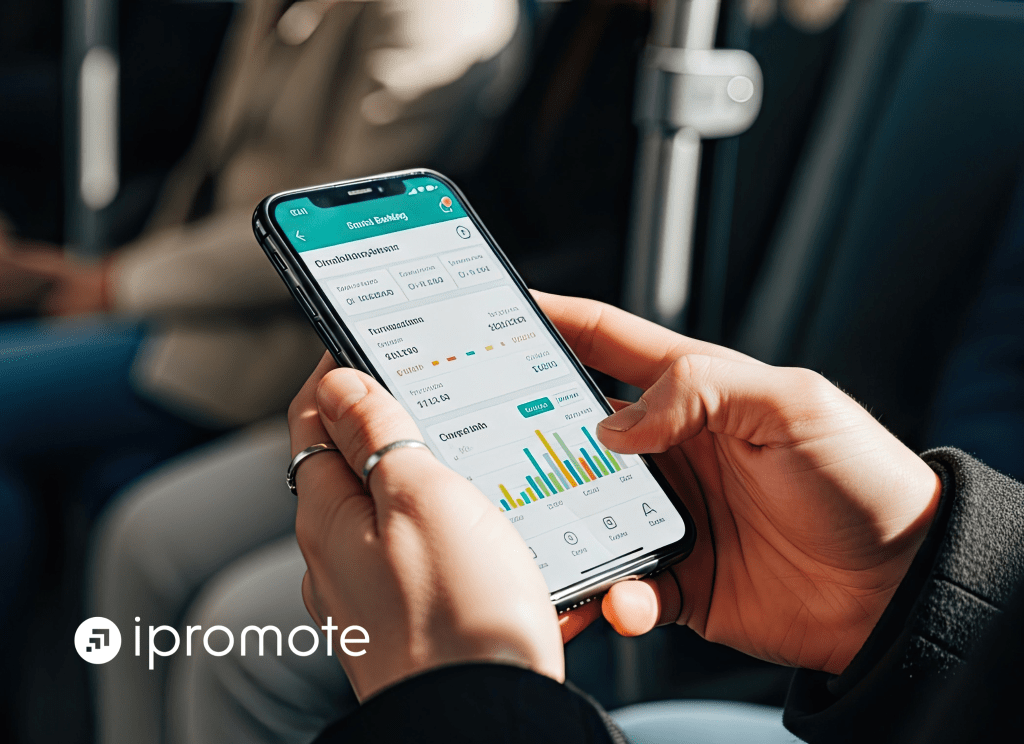
Your customers check their phones before they get out of bed and again before they fall asleep. Somewhere in between, they research products, compare prices, and decide which local business earns their money. That reality makes mobile the channel where small businesses either win attention or lose it, often within seconds.
Mobile advertising trends move fast, and 2026 has brought some real shifts in how brands reach people on their devices. Understanding these shifts matters for any small business owner, marketing partner, or agency trying to stretch a budget further. Below, we break down the mobile marketing trends shaping this year and what they mean for your next campaign.
Mobile Keeps Growing, and So Does the Pressure to Perform
Global digital ad spend is expected to climb past $750 billion in 2026, and mobile in-app advertising accounts for well over half of that total. That growth sounds like good news, and it is, but it also means more competition for the same scroll, swipe, and tap. Standing out on a five-inch screen takes more than a decent product photo and a discount code.
Small businesses that treat mobile as an afterthought, or as a shrunken version of their desktop strategy, tend to fall behind. People behave differently on their phones. They scroll faster, decide quicker, and abandon a slow-loading page without a second thought. Building a mobile-first mindset is no longer optional for anyone who wants a share of that spend.
Owners who wait for “the right time” to invest in mobile advertising often watch competitors capture that market share instead. A well-run mobile campaign doesn’t require a massive budget, but it does require the right strategy, the right creative, and a partner who understands how these trends actually play out in a live auction.
1. AI Runs the Creative and the Campaign
AI has moved from buzzword to backbone in mobile marketing trends. A recent industry survey found that roughly 94% of marketers already plan to use AI in content creation, and close to half are using AI for image editing or video generation. Marketing teams have shifted away from manual, hours-long campaign tweaks. Machines now handle quality checks and generate creative variations far faster than any human team could.
For small businesses, this shift removes a huge barrier. You no longer need an in-house designer or a media buyer glued to a dashboard all day. Platforms increasingly use AI to test headlines, images, and calls to action against each other, then automatically push budget toward whatever performs best. Owners get better results without hiring a bigger team.
This is also where a lot of small businesses hit a wall. AI tools exist, but stitching them together across search, social, display, and video takes real technical know-how. That gap is exactly why working with an advertising partner who already has AI-assisted media planning built into their platform saves so much time and frustration.
2. Short-Form Video Still Owns the Scroll
Short-form video hasn’t slowed down, and it isn’t going to. TikTok, Instagram Reels, and YouTube Shorts continue to dominate how people spend time on their phones, and advertisers have followed the audience there. Video content built for a nine-second attention span looks nothing like a polished thirty-second commercial, and that’s the point.
Modern mobile creative works more like a system than a single ad. Marketers build modular pieces, a strong hook, a clear offer, a proof point, and a direct call to action, then mix and match them based on what the data says is working. A local HVAC company or boutique gym doesn’t need Hollywood production value here. They need authentic, fast-paced clips that stop the scroll and speak directly to a local audience.
3. Privacy Changes Keep Reshaping Measurement
Privacy regulations and platform-level restrictions have made old-school tracking far less reliable, especially on iOS. Deterministic tracking, where advertisers know exactly who clicked and converted, has given way to a blended approach. Marketers now lean on modeled data, first-party signals, and incrementality testing to understand what’s actually working.
This shift sounds technical, but the practical impact for small businesses is straightforward. Instead of obsessing over last-click attribution, smart advertisers now look at real business outcomes: incremental store visits, revenue lift, and customer acquisition cost. A campaign that looks mediocre in a simplified dashboard might actually be driving real foot traffic once you measure it correctly.
Small businesses rarely have the resources to build a modeled measurement stack on their own. This is one more reason so many owners turn to a fulfillment partner who already understands SKAN, postback windows, and geo-based lift testing, so they don’t have to become measurement experts overnight.
Fraud filtration and supply path discipline matter here too. As targeting relies more on contextual signals and less on individual device tracking, the quality of the ad inventory itself becomes a bigger factor in performance. A partner with established relationships across premium inventory sources can protect a small business budget from wasted impressions in a way that a single self-serve platform often can’t.
4. Every Channel Now Depends on Every Other Channel
Mobile performance in 2026 rarely happens in isolation. What occurs on connected TV, retail media, out-of-home advertising, or social platforms directly shapes how a mobile ad performs. A customer might see a connected TV spot for a local dentist, notice a retargeting ad on Instagram, and then search for the practice on their phone before booking an appointment.
Treating mobile as a silo means missing half the story. Successful mobile marketing trends this year point toward unified, omnichannel campaigns where every channel reinforces the others. Budget, creative, and audience data flow together instead of living in separate spreadsheets and separate logins.
For a small business owner running search ads through one vendor, social through another, and display through a third, that kind of coordination sounds exhausting. It usually is, unless those channels sit inside one platform built to manage them together.
5. Location Data Makes Mobile Personal
Location-based personalization keeps getting sharper. Mobile devices offer advertisers a level of local targeting that desktop simply can’t match, and small businesses with a physical location or a defined service area benefit the most. A landscaping company can target homeowners within a fifteen-mile radius. A restaurant can reach people who walked past a competitor an hour earlier.
In-app advertising, native ad formats, and hyper-local targeting all continue to gain traction because they meet customers where they already are, glancing at their phone between errands. Multi-location businesses and small-market advertisers, groups that many fulfillment partners overlook, stand to gain the most from this trend if they have access to the right tools.
Voice search and structured content also play a growing role in how mobile users find local businesses. Short paragraphs, clear headings, and content built for quick scanning help a business show up in the moments when someone is searching on the go, whether that search happens through a browser, a voice assistant, or an app.
What This Means for Your Marketing Strategy
Pulling these mobile advertising trends together, a pattern emerges. AI handles the heavy lifting on creative and optimization. Short-form video captures attention quickly. Privacy changes push everyone toward smarter measurement. Channels increasingly work together rather than in isolation. Location data makes targeting more precise than ever.
None of that is simple to execute alone, especially for a small business with limited time and no dedicated marketing department. That gap is exactly why so many small businesses work with an advertising partner or agency instead of building an in-house team from scratch. The right partner brings the AI tools, the cross-channel reach, and the measurement expertise that would otherwise take years to develop internally.
How iPromote Helps Partners Deliver on These Trends
iPromote built its platform around these exact shifts. Instead of forcing partners to stitch together separate tools for search, social, programmatic display, video, and connected TV, iPromote consolidates every channel into one omnichannel fulfillment platform. AI-assisted media planning builds full campaign structures in minutes rather than weeks, and campaigns typically launch within two business days.
That speed matters when mobile marketing trends shift as quickly as they have this year. Partners using iPromote get white-labeled, real-time reporting dashboards, transparent flat-rate pricing, and a cross-channel optimization engine that continuously shifts budget and creative toward whatever is actually driving results. Agencies, media companies, and marketing service providers can offer their small business clients the exact omnichannel, AI-powered execution described above, all without hiring a team of channel specialists.
If you’re an agency or media company looking to keep pace with where mobile marketing trends are headed, or a small business owner wondering how your current provider stacks up, it’s worth taking a closer look at what a true omnichannel platform can do. Visit ipromote.com to see how partners are launching AI-powered, cross-channel campaigns without the overhead of building it all themselves.
The Bottom Line
Mobile marketing trends in 2026 reward businesses that move fast, personalize deeply, and measure honestly. AI-driven creative, short-form video, privacy-first measurement, cross-channel coordination, and hyper-local targeting aren’t passing fads. They represent how mobile advertising works now, and they’ll keep shaping strategy well beyond this year.
Small businesses don’t need to master every one of these trends on their own. Partnering with a platform built to handle the complexity, while you focus on the relationship and the strategy, remains the fastest path to real results on the channel your customers already can’t put down.