CTV Marketing and OTT Marketing for Small Businesses

The way people watch television has changed dramatically over the past decade. Gone are the days when families gathered around a single TV set to watch their favorite shows at specific times. Today, viewers have the power to watch what they want, when they want, and on any device they choose. This shift has created exciting new opportunities for small businesses to reach their target audiences through CTV marketing and OTT marketing.
Understanding the Streaming Television Revolution
Traditional cable television is losing ground rapidly. Millions of households have cut the cord entirely, while others have become “cord-nevers” who skip cable altogether. Instead, they’re streaming content through services like Netflix, Hulu, Disney+, and countless others. This transition isn’t just a fad. It represents a fundamental change in how people consume media.
For small business owners and marketing partners, this shift means rethinking how advertising dollars get spent. The good news is that streaming platforms offer targeting capabilities that traditional TV commercials never could. You can reach specific demographics, interests, and even behavioral patterns without the massive budgets that network television requires.
What Makes CTV Marketing Different
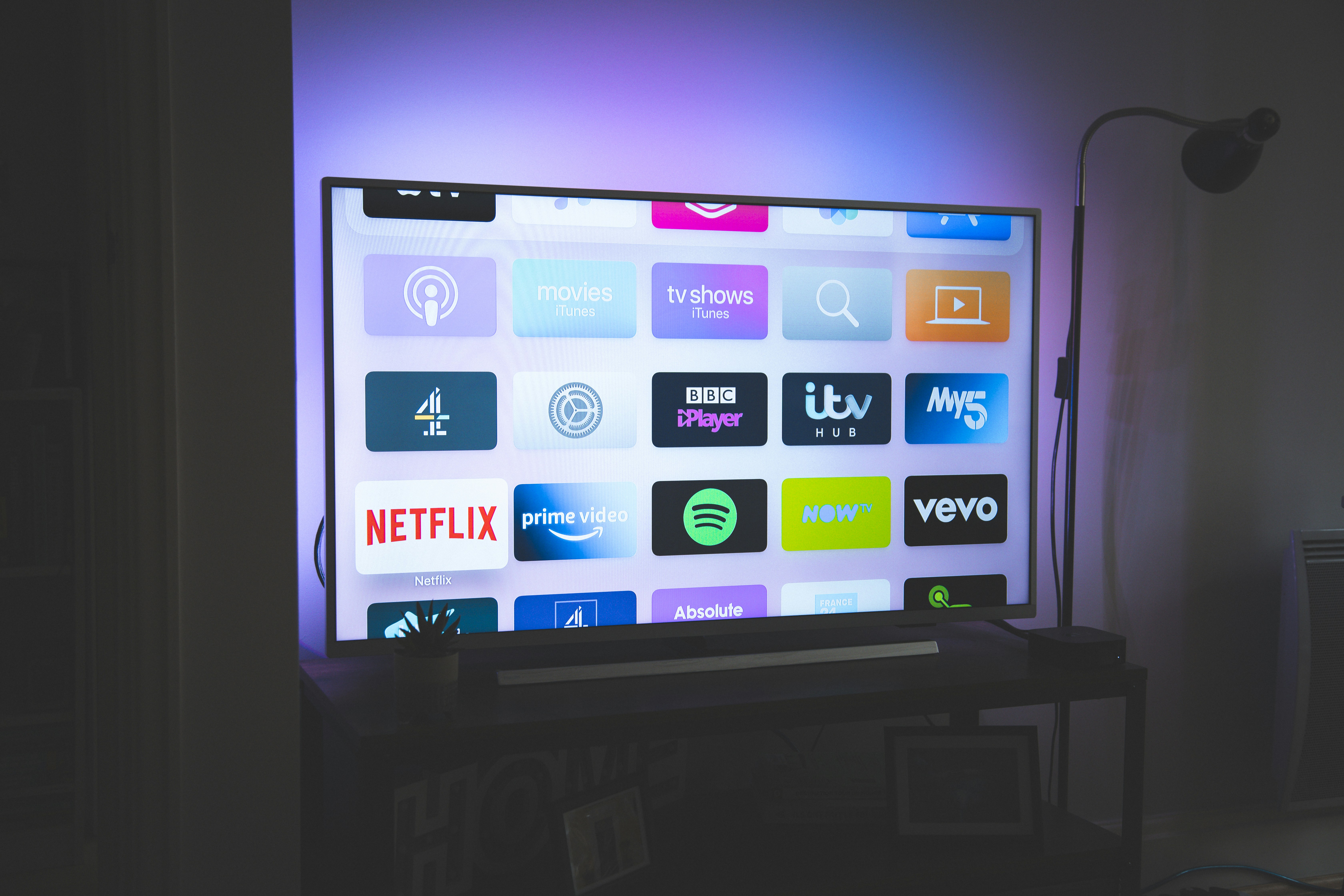
Connected TV marketing refers to advertising on television sets connected to the internet. This includes smart TVs, gaming consoles like PlayStation or Xbox, and streaming devices such as Roku, Apple TV, or Amazon Fire Stick. When someone watches Hulu on their Samsung smart TV, they’re engaging with connected TV content.
The beauty of CTV marketing lies in its combination of the big screen experience with digital targeting precision. Your ads appear on the largest screen in most homes, commanding attention in a way that mobile or desktop ads simply can’t match. Yet you maintain all the targeting and measurement capabilities of digital advertising.
Small businesses can now run video advertisements that appear during premium content without competing for the same spots as major national brands with multimillion-dollar budgets. The barriers to entry have dropped significantly, making television advertising accessible to businesses that could never afford traditional TV spots.
The Power of OTT Marketing
Over-the-top marketing takes things a step further. OTT refers to any content streamed over the internet, bypassing traditional cable or satellite television providers. This includes viewing on connected TVs, but also extends to smartphones, tablets, and computers. When someone watches YouTube on their phone or catches up on a show via a streaming app on their laptop, that’s OTT content.
OTT marketing gives you the flexibility to reach audiences wherever they’re watching. Your potential customers might start a show on their TV, continue watching on their tablet during their commute, and finish it on their phone during lunch. With OTT advertising, you can reach them across all these touchpoints.
The targeting options available through OTT platforms are remarkably sophisticated. You can focus on specific geographic areas, making it perfect for local businesses. A restaurant can target viewers within a five-mile radius. A home services company can reach homeowners in specific neighborhoods. This precision was impossible with traditional television advertising.
Why Small Businesses Should Care
You might be thinking that streaming advertising sounds great for big brands, but wondering if it makes sense for smaller operations. The reality is that CTV and OTT marketing have leveled the playing field in ways that benefit small businesses tremendously.
First, the cost structure works differently than traditional TV. Instead of paying for broad dayparts that reach millions of viewers you don’t care about, you pay for impressions delivered to your specific target audience. A local yoga studio doesn’t need to reach everyone watching the evening news. They need to reach health-conscious women aged 25-45 within driving distance. Streaming platforms make that possible without wasted spend.
Second, the creative requirements are more flexible. Traditional TV advertising often demands expensive production values and 30-second spots. While quality still matters, streaming platforms accept various ad lengths and formats. Many small businesses successfully run 15-second spots that get their message across effectively at a lower production cost.
Third, the measurement capabilities far exceed anything traditional TV offers. You can track how many people saw your ad, how many watched it completely, and even whether they visited your website or store afterward. This data helps you refine your approach and prove your advertising ROI.
How iPromote Makes It Accessible
For partners reselling advertising services to small businesses, platforms like iPromote remove the complexity from CTV and OTT marketing. Instead of navigating multiple streaming platforms and ad networks, partners get a single solution that manages campaigns across numerous channels.
Small business owners often feel overwhelmed by digital advertising options. They understand they need to advertise where their customers spend time, but the technical aspects can seem daunting. This is where reseller partners provide tremendous value. By offering CTV and OTT marketing through an established platform, you give your clients access to sophisticated advertising tools without requiring them to become media buying experts.
The platform approach also solves the budget challenge. Small businesses might not have enough budget to justify working directly with individual streaming services. By aggregating demand across multiple advertisers, platforms achieve the scale necessary to secure quality inventory at competitive rates.
Creating Effective Streaming Ads
Success with CTV marketing and OTT marketing requires more than just technical setup. The creative content matters enormously. Streaming viewers are typically engaged with premium content they’ve chosen to watch. Your ads appear in this focused environment, which is both an opportunity and a responsibility.
Keep your message clear and concise. Viewers can’t rewind your ad, so front-load your most important information. Your business name, core offering, and call to action should appear early and prominently. Don’t save your punchline for the final seconds.
Visual quality matters on the big screen. While you don’t need Super Bowl production values, your ads should look professional and be optimized for television viewing. Text should be large enough to read from across the room. Images should be clear and compelling.
Consider your call to action carefully. Unlike digital ads where viewers can click immediately, streaming ads require viewers to remember your message and act later. Make your call to action memorable and easy to follow. A simple website URL, a distinctive phone number, or a memorable tagline works better than complex instructions.
Targeting Strategies That Work
The targeting capabilities of streaming platforms represent one of their greatest advantages. However, with so many options available, knowing where to focus can feel challenging.
Geographic targeting should be your starting point for most local businesses. Define the area where your business actually operates or delivers. There’s no value in reaching viewers who could never realistically become customers.
Demographic targeting helps refine your audience further. Consider age ranges, household income, and family composition relevant to your offering. A children’s activity center needs to reach parents with young kids. A financial advisor might target older households with higher incomes.
Behavioral and interest-based targeting adds another layer of precision. Streaming platforms collect data about viewing habits and preferences. A sporting goods store can reach people who watch sports content. A home improvement business can target viewers interested in home and garden programming.
Don’t make your targeting so narrow that you limit your reach unnecessarily. Start with broader parameters and refine based on performance data. The goal is finding the sweet spot between precision and scale.
Measuring Success
One of the strongest selling points for CTV and OTT marketing is measurability. Traditional TV advertising relied on rating estimates and broad demographic assumptions. Streaming advertising provides concrete data about campaign performance.
View-through rates tell you how many people watched your entire ad versus how many skipped it when possible. High completion rates indicate compelling creative that holds attention. Low rates suggest your message or presentation needs refinement.
Website traffic increases following campaign launches provide direct evidence of impact. Use tracking URLs or promotional codes specific to your streaming campaigns to attribute visits and conversions accurately.
For businesses with physical locations, foot traffic attribution technology can even connect ad views to store visits. While not perfect, these systems provide valuable insights into whether your streaming ads drive real-world behavior.
Brand awareness metrics matter too. Surveys or search volume data can reveal whether your campaigns increase familiarity with your business. Sometimes the goal isn’t immediate conversion but rather building recognition that pays off over time.
Getting Started
The streaming advertising landscape might seem complex, but getting started is more straightforward than you might think. For partners offering these services through platforms like iPromote, the infrastructure already exists to launch campaigns quickly.
Begin with a clear understanding of your client’s goals. Are they trying to drive immediate sales, build brand awareness, promote a specific event, or compete with a rival? Different objectives might require different approaches.
Set realistic budgets based on the market and objectives. Streaming advertising is more affordable than traditional TV, but still requires sufficient investment to achieve meaningful reach and frequency. Educate clients about minimum effective spending levels for their market.
Plan campaigns around business cycles and seasonal factors. A tax preparation service needs visibility in January and February. A lawn care company should advertise before the spring season begins. Timing your streaming campaigns strategically maximizes their impact.
The Future of Television Advertising
Streaming television isn’t the future anymore. It’s the present. The majority of American households now use streaming services, and that percentage continues growing. Younger audiences in particular have fully embraced streaming as their primary way to watch video content.
For small businesses and their marketing partners, this trend creates opportunity. As advertising budgets shift from traditional TV to streaming platforms, businesses of all sizes can compete for viewer attention. The combination of television’s impact with digital’s precision creates a powerful advertising medium.
Platforms that simplify access to CTV marketing and OTT marketing, like iPromote, make these opportunities accessible without requiring specialized expertise. Partners can offer sophisticated streaming advertising services to their small business clients, helping them reach audiences in the environments where they’re most engaged.
The streaming revolution has transformed television from a mass medium dominated by major advertisers into a targeted channel accessible to businesses of every size. Small businesses that embrace CTV and OTT marketing position themselves to reach customers effectively in the viewing environment that defines modern media consumption.
Author

Related post

How Small Businesses Can Finally Afford TV Advertising in 2026

Why Media Companies Are Transforming Their Business with Programmatic Advertising Solutions